Full Circle Plumbing helps homeowners in Alice restore dependable hot water with professional water heater servicing and installation. If you’re noticing fluctuating temperatures, discolored water, unusual noises, low hot-water volume, or leaks near the tank, timely service can prevent breakdowns and reduce the risk of water damage.
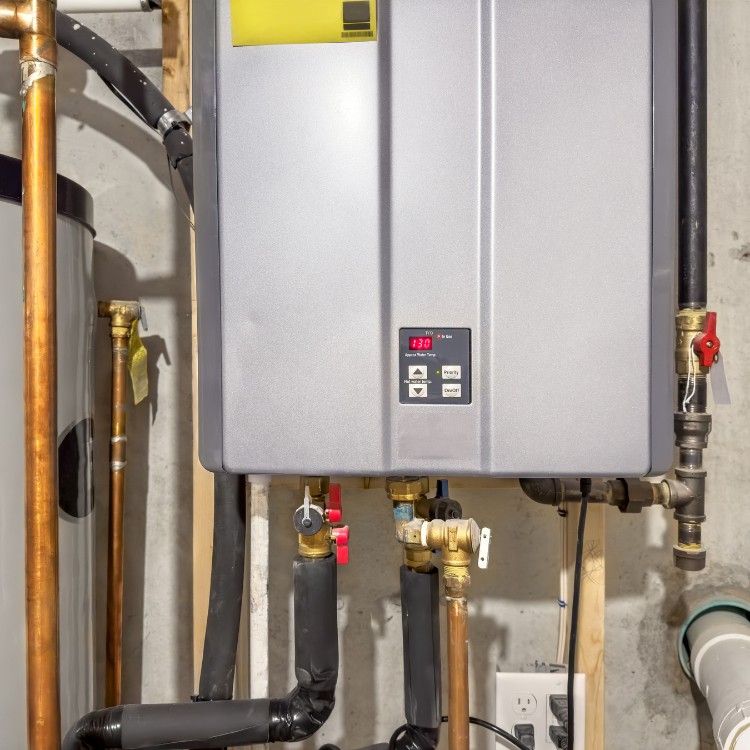
For replacements, we help you compare tank and tankless options based on household size, hot-water demand, available space, energy efficiency goals, and fuel type. In Alice homes, correct sizing and proper installation details—such as shutoff valves, expansion control where required, safe venting, and temperature/pressure relief protection—are key to reliable performance and code-aligned safety.
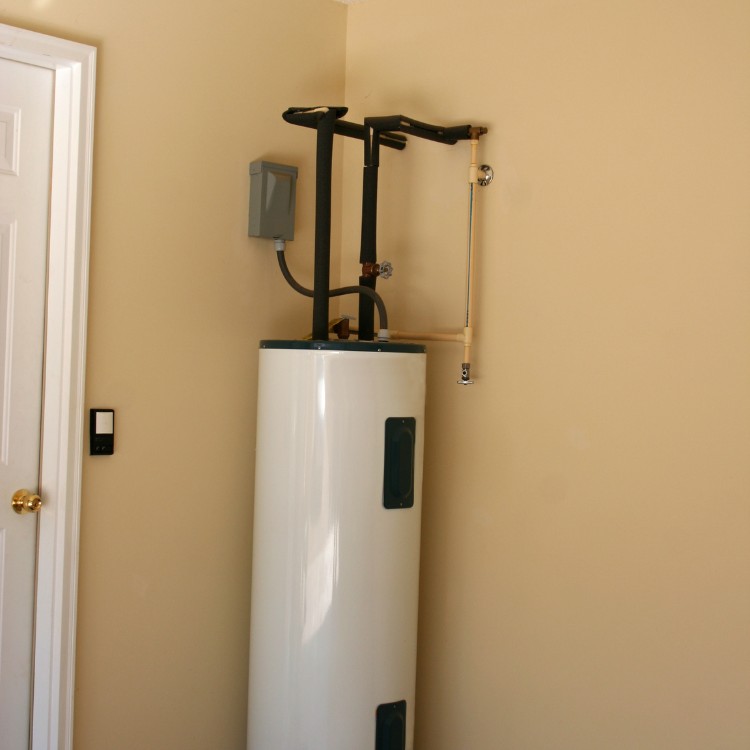
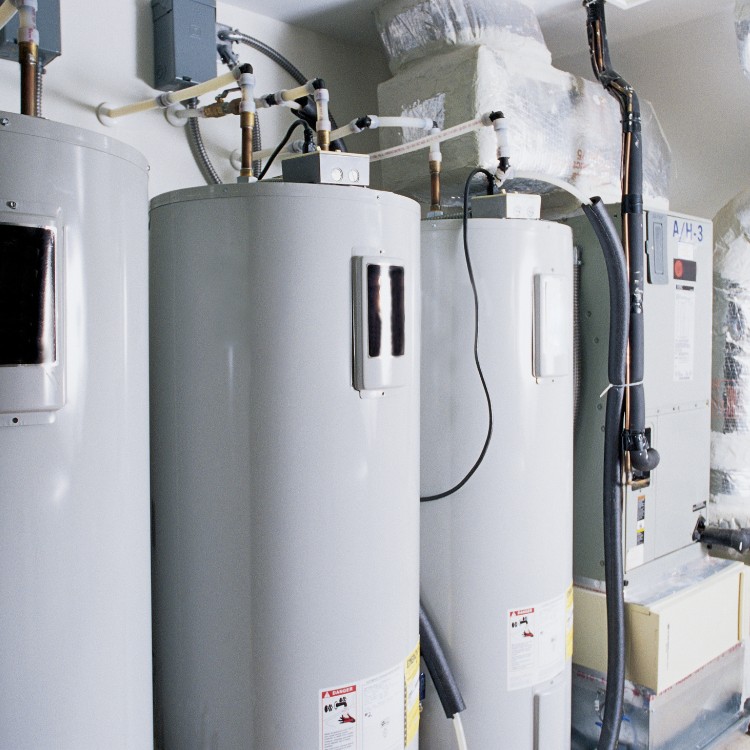
Regular maintenance can extend equipment life and improve efficiency, especially where sediment or mineral buildup is common. We provide servicing in Alice that may include inspections, flushing when appropriate, checking key safety components, verifying temperature settings, and identifying early signs of wear so you can plan ahead and avoid unexpected outages.